
The minerals and resources sector is undergoing profound transformation. Rapid technological change, rising expectations around health, safety and environmental performance, increasing social responsibility, and growing demand for critical minerals are reshaping not only how mining is done, but the skills, leadership and systems required to do it well.
At the Sustainable Minerals Institute (SMI), professional development is a core part of how we support the industry to navigate this change. Our expanding professional development portfolio is designed not simply to deliver training, but to partner with industry in building a capable, resilient and future-ready workforce.
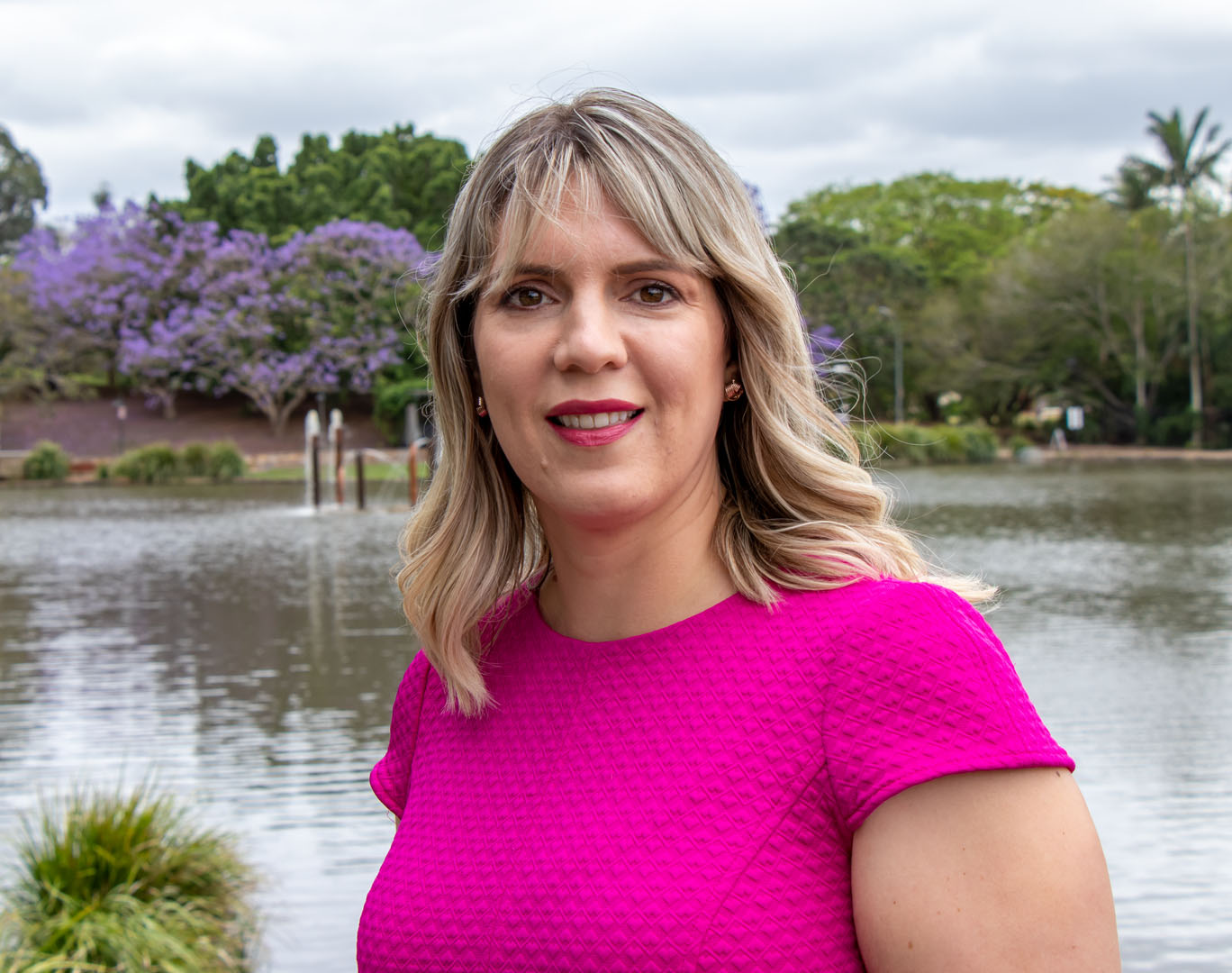
The appointment of Dr Nikky LaBranche as SMI’s inaugural Director of Professional Development reflects this ambition. A Chartered Professional Mining Engineer with more than 20 years’ experience spanning mining operations, regulatory environments and applied research leadership, Dr LaBranche brings a rare, whole-of-system understanding of the challenges facing today’s mining workforce.
“Having worked in industry, alongside government regulators, and within research organisations, I’ve seen firsthand how decisions made in one part of the system affect outcomes across the entire value chain,” Dr LaBranche said.
“That perspective is critical when designing capability-building initiatives that are practical, credible and aligned with how mining actually operates.
“SMI’s professional development programs are built on world-leading research and shaped through close engagement with industry, government and policy partners.
“They are designed to translate knowledge into practice, supporting individuals and organisations respond to emerging risks, adopt new technologies and strengthen leadership capability in a changing operating environment.
“All of UQ’s educational pathways, from undergraduate and postgraduate degree programs through to targeted professional development, contribute to a connected talent pipeline for the sector.”
In 2025, SMI delivered more than 120 online and in-person courses to over 2000 participants globally. Programs were delivered across Latin America, Asia, Africa as well as in regional centres including Cloncurry and Moranbah.
“This reach reflects SMI’s commitment to meeting industry where it is,” Dr LaBranche said.
“Effective capability building has to be accessible, context-specific and grounded in the realities of different operating environments.”
SMI’s professional development offering includes courses and masterclasses delivered by leading academics as well as bespoke programs co-designed with industry and government partners. This includes developing train-the trainer models used in the delivery of the mining skills program in Latin America to support local capability development and knowledge transfer at scale.
SMI also delivers training through the Australia Awards – providing DFAT-funded short courses and scholarships for emerging leaders from developing nations. In addition, SMI is a partner in the South Gobi Underground Mass Mining Institute which will open its training programs to the wider industry in 2026.
SMI’s activities build on a long history of mining education at UQ. Its undergraduate and postgraduate programs are designed with industry for industry, combining academic excellence with practical training.
The Bachelor of Engineering (Honours) offers a major in mining engineering aligned to civil, mechanical and mechatronic engineering specialisations. Redesigned in 2021, the program reflects contemporary industry needs and prepares graduates for a future career in the industry.
UQ’s postgraduate programs in Resource Development, designed in partnership with global mining services provider Thiess, aims to bridge the gap between academic theory and industry practice. The Graduate Certificates and Graduate Diploma programs provide practical knowledge and robust skills to support the health, sustainability and innovation in the resources and minerals sector.


