Invasive weeds are considered to be one of the major threats to the long-term success of post-mine rehabilitation. Therefore, many mine sites closely monitor the presence, abundance, distribution, and spread of weed species in their rehabilitated areas.
American undergraduate students have experienced Australian mine site restoration firsthand as part of a new course delivered under the Sustainable Minerals Institute’s (SMI) partnership with the University of Delaware (UD).
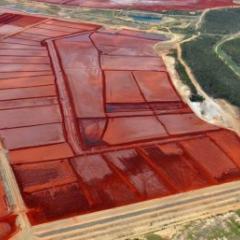
The Centre for Mined Land Rehabilitation's Professor Longbin Huang, Rio Tinto and Queensland Alumina Limited have been recognised for collaborative research into technologies that could turn bauxite residue, or ‘red mud’, into soil capable of growing plants.
The collapse of the tailings dam at the Corrego de Feijão iron ore mine near Brumadinho in Brazil in January 2019 highlighted again the very serious risks associated with managing mining waste.
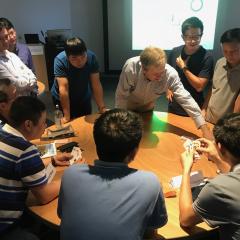
SMI hosted a group from the International Network for Acid Prevention (INAP), including representatives from member companies Agnico Eagle Mines, Anglo American, BHP, Kinross Gold, Newcrest, Newmont, Rio Tinto and Teck Resources.
This group assesses impacts of mining activities on flora and fauna; develop innovative approaches to restore ecosystem services and practices that encourage recolonisation by native species; examine the resilience of ecosystems under specific disturbance regimes; discover and understand the utility of metallophyte plants; create approaches for the recovery and sustainability of disturbed land.
Development of a mineral gel technology that will provide effective, low cost, rapid management of toxic red mud from alumina refineries has received a major financial boost.
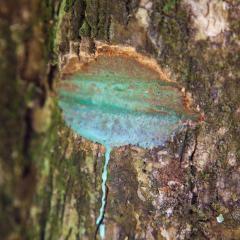
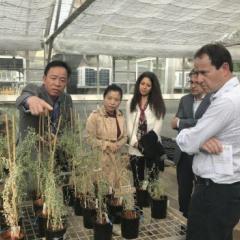
Heavy metals like nickel and zinc are usually the last thing that plants want to grow next to in high concentrations. But a specialised group, known as hyperaccumulators, have evolved to take up the normally toxic metals into their stems, leaves and even seeds.
Fifteen Vietnamese mining leaders toured New Acland Mine on Monday as part of a study tour exploring best practice and innovation in Australian mining that SMI is delivering.